
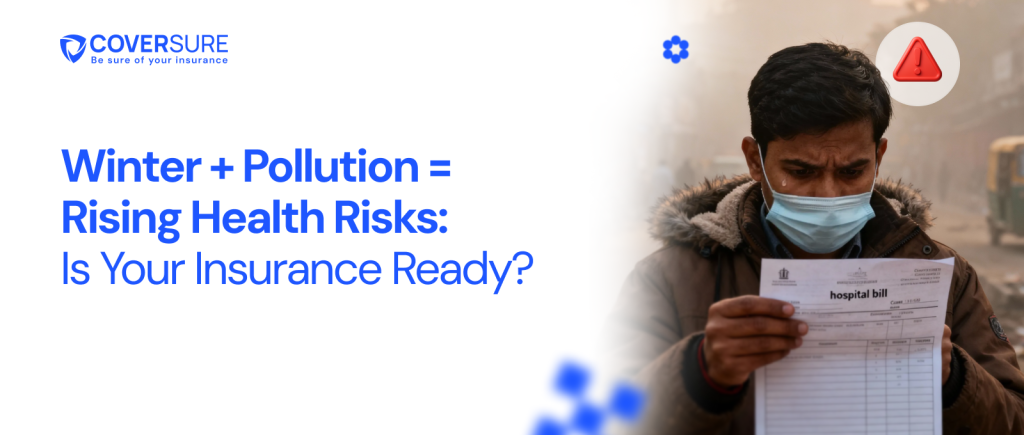
Unfortunately for us, “Winter is here.”
Instead of savouring warm mornings, lively evenings, or the soft blur of mist over the streets, most of us end up coughing, wheezing, and gasping for air, thanks to the choking AQI (Air Quality Index – It’s a scale that shows how clean or polluted the air is, and what that means for your health) levels blanketing India’s biggest cities.
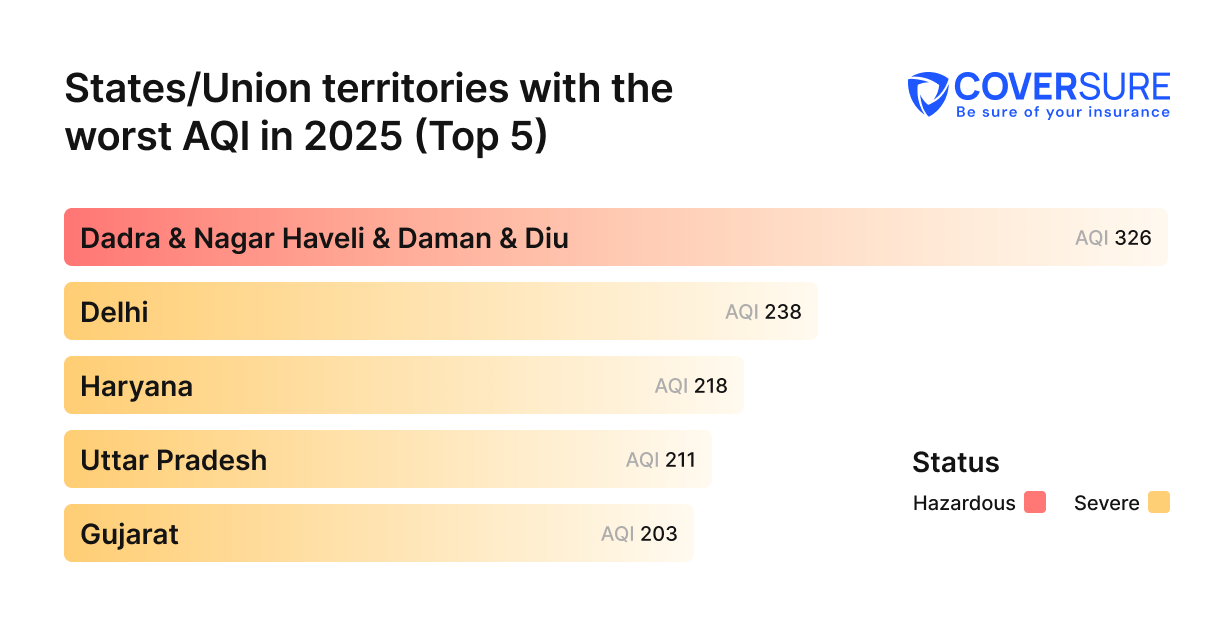
Recent air quality reports have sparked concern across the country, especially in cities like Delhi, where the thick, smoky haze and hazardous readings have become routine instead of rare.
As per the Central Pollution Control Board (CPCB)
Coming to the most discussed city with air pollution issues –
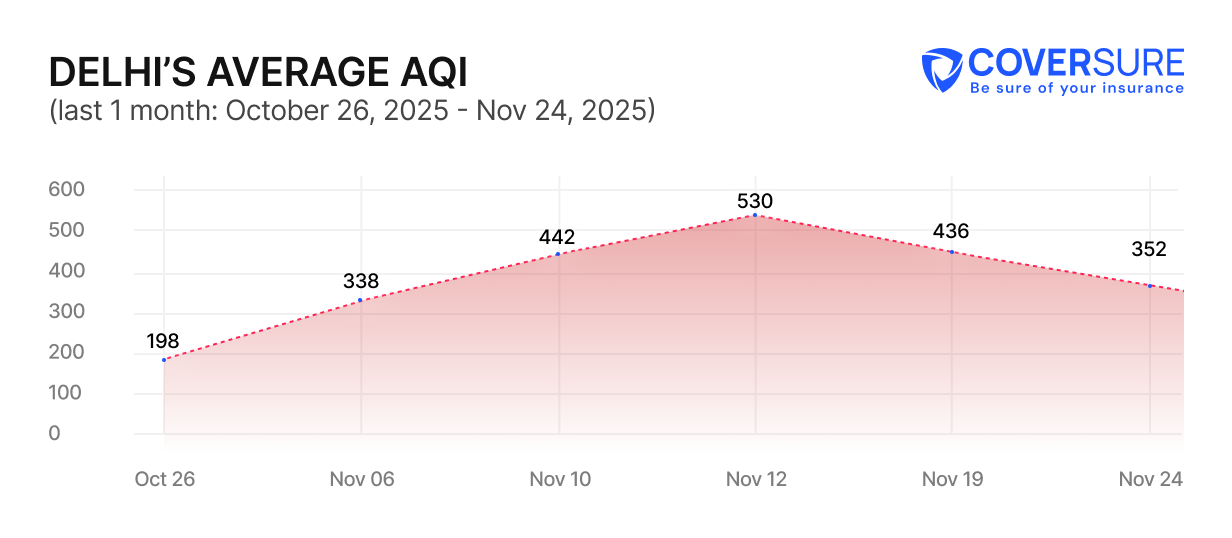
Needless to say, the number of reported respiratory ailment patients (across all genders and age slabs) has shot north and is still rapidly climbing.
A lot of fingers have been pointed around –
- Some blamed the current government
- Some have tried to prove that the condition was no better when the cities were under the previous government’s care,
- Some have blamed it on the rapid economic growth wherein there has been wealth accumulated in the hands of a privileged/entitled section who are leaning heavily towards buying multiple cars, leading to pollution.
- Some have pointed their fingers at the “Stubble Burning” practice of farmers from the same city or neighbouring ones.
- Some believe it’s the city’s thermal power plants and coal-based energy infrastructure that is leading to this.
In short, the blame game is on, and the list of parties to be blamed is long.
However, the bare truth is minimal, hard-hitting, and undeniable – the city’s dwellers are suffering. And this brings us to our topic in discussion: “Winter, AQI, Insurance: The Trio You Should Be Worried About”
Read on to know more!
| A PENNY FOR YOUR THOUGHTS:
Before we dive into the gory details of how AQI, specifically during the winters, the subsequent health risks and then give you an expert way into how to mould your health insurance to shield your finances in case you are in such a city and undergo medical emergencies, hear us out, okay? At CoverSure, we ALWAYS believe in a customer-centric approach. Our target is never to push you towards buying a policy (not how our team earns their slice of pizza anyway!) We understand that if you are stuck in a city with low air quality, you might not have the luxury to move out of it, for one reason. People will still continue to reside in such cities; they aren’t Chernobyl, right? So, what’s the next best thing to do? Get prepped – health-wise and financially. You think it’s “easier said than done?” What if we prove to you that there are affordable solutions? STEP 1: Just log in to our CoverSure app STEP 2: Drop in the asked details (one of them will be your pincode, which will give away your location’s AQI), STEP 3: Take a look at the CoverRisk Score STEP 4: See if your current policy stands in solidarity with your requirement! If it does, congratulations, you are on the right path! If it doesn’t, maybe a couple of add-ons can help. Or if you need a completely new policy, go ahead with it. Our goal is to guide you, educate you, and accompany you in ensuring that you get the most and best out of the health insurance premiums that you are paying!! Let’s continue now, shall we?! |
The Real Impact of Hazardous AQI on Your Health
- Immediate Health Effects You’ll Notice Quickly
When the AQI climbs past 200, your lungs are the first to complain, tightening with that dry, smoky sting.
- Even small things can leave you short of breath – climbing the stairs, walking a bit too fast, or talking longer than a minute starts that tight, uneasy feeling in your chest.
- Pollutants strip moisture from your nasal passages, leaving your throat scratchy and your nose stinging like after a gust of dusty wind.
- Tiny particles slip in through the tear ducts, sting the eyes, and spark inflammation that soon brings on a throbbing headache.
- Worsening of existing breathing problems: people with asthma may find their attacks come more often and hit harder, leaving them gasping like after a hard sprint.
These symptoms may seem small at first, but over time, they can eat away at lung tissue, leaving it as fragile as wet paper.
- Long-Term Risks You Don’t See Immediately
Spending every day in a place where the air feels thick and hazy can gradually change how your lungs work.
- Reduced lung capacity can be especially risky for young adults who think they’re perfectly healthy, breathing easily after a morning jog.
- Over time, pollutants scratch and inflame the airway lining, paving the way for chronic bronchitis.
- COPD is showing up more often in younger people now – a disease we used to associate with folks over 60, the ones who’d wheeze climbing a short flight of stairs.
- Polluted air thickens your blood, so your heart has to pump harder to push oxygen through, like struggling to sip a milkshake through a thin straw.
- Impact on Immunity
Pollutants weaken your immune system,
- Leaving you open to constant colds, sinus or throat infections, and even viral fevers.
- When that system stays fired up too long, healing drags, and treatment costs climb.
Why Poor Air Quality Could Increase Your Medical Expenses?
- Rising Outpatient Costs: Illnesses linked to poor air quality often need regular outpatient visits, sometimes just to adjust medication or check breathing levels. You might need to see your GP every couple of weeks, visit a pulmonologist every few months, and schedule follow-ups after each bad flare-up, and each appointment can add ₹400 to ₹1500 or more to your monthly costs.
- Repeated Medication Costs: Smog-triggered breathing troubles often call for
- inhalers (₹150–₹500),
- nebulization solutions (₹100–₹300),
- antihistamines (₹50–₹200),
- steroids (₹200–₹500), and
- antibiotics for infections (₹150–₹800); and
None of these are one‑time buys; you’ll need them again and again.
- Diagnostic Tests Become Frequent: Doctors often order chest X-rays, HRCT scans, lung function tests like spirometry, and allergy profiles. Each test can run anywhere from about ₹800 to ₹12,000, the price of a deep breath in a cold hospital room.
- Hospitalisation Costs during Severe Episodes: Severe asthma flares or bad bouts of bronchitis often mean a trip to the ER for oxygen, steroids, and steady rounds of nebulisation, with nurses keeping watch overnight; in a city hospital, even a 24-hour stay can run ₹10,000 – ₹50,000, and longer ones climb fast into the lakhs.
How Rising AQI Levels Influence Health Insurance Premiums?
- Higher Risk Region = Higher Premium Band: Insurers weigh a city’s environmental risks, like flood-prone streets or heavy smog, when deciding whether to approve a policy application. If you live in cities like Delhi, Gurgaon, Kanpur, or Lucknow, your risk category tends to rise – people there file more respiratory claims, chronic coughs settle in quickly, and long-term treatments become more likely.
- Impact on New Policy Applicants: When you apply for a new policy, frequent doctor visits can catch an insurer’s eye, and a health check showing lower lung capacity might push your premiums up or even lead to a short waiting period for respiratory coverage.
- Existing Policy Renewal Impact: If you’ve recently filed pollution-related claims, your renewal premium could rise, the insurer might attach new sub-limits, and you may face a higher co-pay for respiratory hospital stays.
| WHY IS THE COVERRISK CALCULATOR SUCH A BIG DEAL IN THE CASE OF AQI CONCERNS?
People have asked us why we are so eager and press on the issue of Risk Score, especially under the circumstances of poor AQI. Let’s break it down for you –
Basically, the unique, top-notch, scientific, AI-backed, intuitive, precise, dynamic, innovative, and sophisticated risk calculator that we have designed
– by giving you ideal coverage, risk score, required and mandatory features in your plan, and so much more! And all of this, FOR FREE! |
Common Claim Rejections Linked to Pollution-Related Illnesses
- Non-Disclosure of Pre-Existing Respiratory Conditions: A lot of people leave out details like childhood asthma, bouts of bronchitis, or old allergy issues, and insurers may refuse claims if they think something’s been hidden.
COVERSURE’S ADVICE: Always share your detailed medical history, since being upfront can sharply cut down claim disputes; think of it like clearing the air before the dust ever settles.
- Claiming for Diagnostic-Only Admissions: Hospital stays used only for testing – no treatment, no medicine, no bandages – are often denied.
COVERSURE’S ADVICE: Ensure every hospital stay involves real treatment, not just tests, so the claim holds strong.
- Taking Unapproved Treatments: Claims for treatments from non-allopathic practitioners, unregistered clinics, or alternative therapies without a clear medical need may be rejected.
COVERSURE’S ADVICE: Use approved medical networks and licensed clinics if you want your claim to hold up.
- Waiting Period Confusions: Many respiratory illnesses are tied to 1-2 year waiting periods, pre‑existing condition clauses, and chronic care exclusions; not knowing that can cost you a claim.
COVERSURE’S ADVICE: Pay close attention to the waiting periods, and jot down the exact date your coverage kicks in so you don’t end up filing a claim too soon.
| CoverSure Weighs In: Upload your policy to the CoverSure app. Click on the Know Your Policy (KYP) option and know what all features are available and unavailable in your plan. Learn about the “must have” and “good to have” feature that ensures lower chances of claim rejection by offering guidance into mandatory perks and yet helping you have an affordable plan by letting you know what add-ons you can actually skip! |
Must-Know Policy Health Insurance Policy Features for Pollution and Respiratory Coverage
- Respiratory Disease Coverage: Your policy should clearly include treatment for asthma, COPD, bronchial inflammation, and allergic respiratory infections, everything from an inhaler for a wheezing spell to medicine for a sudden cough.
- OPD Coverage: Living in a high‑AQI area makes regular doctor visits unavoidable, the air thick enough to sting your throat.
- Day-Care Procedures Coverage: Policies must back procedures like nebulisation, bronchoscopy, and other minor respiratory treatments.
- Emergency & ICU Coverage: Respiratory attacks can flare up fast. Make sure your policy includes emergency stabilisation, ICU care, and oxygen therapy.
- Home Care Treatment: Handy on smoggy days when the air stings and stepping outside feels risky.
Smart Health Steps to Protect Yourself in High-AQI Cities
- Air Purification Practices: Run air purifiers in the bedrooms; use activated carbon filters to trap fine dust, and open the windows when the air outside feels clean and cool.
- Mask Discipline: N95 masks aren’t a choice now – they’re a must, like grabbing your house keys before heading out the door.
- Indoor Air Hygiene: Skip incense and candles, keep the air clear of dust, and brighten the room with sturdy indoor plants like a peace lily or a snake plant.
- Strengthen Immunity: Modify your diet a bit and start including – Turmeric milk, Ginger-tulsi tea, Vitamin C, D3, and B12, and Omega-3 supplements in it.
Daily Habits to Reduce Health Risks During Severe Pollution
- Clean Breathing Practices: Breathe in warm steam to soothe your sinuses, and rinse your nasal passages with a gentle saline solution to keep them clear.
- Diet Adjustments: Anti-inflammatory foods, like crunchy nuts, seeds, warm bowls of soup, and fresh leafy greens, help your body fight the stress caused by pollution.
- Pollution-Aware Planning: Use an app to check the air quality index, skip outdoor workouts when the air’s heavy in the morning or evening, and try to travel when the numbers land in the moderate range.
Essential Health Insurance Tips for High-Pollution Seasons
Tip 1: Increase Your Sum Insured: Getting treated for serious breathing problems can cost a fortune. So, for your sum insured, think more than ₹15 lakh in big-city hospitals.
Tip 2: Focus on Cashless Network Hospitals, especially the ones with their own pulmonology department.
Tip 3: Store Documents Digitally: Streamlines claim filing so everything moves faster, cutting down those long, frustrating delays. (coughs….hence we say the CoverSure app…coughs…we also offer you a Family Share option tab to keep your friends and family informed in case you turn out to be the person needing the medical attention….coughs)
Tip 4: Explore OPD Add-Ons: Covers the extra doctor visits that pile up when the air turns thick with smog.
What to Check in Your Health Insurance Policy if You Live in a High-AQI Region?
- Waiting Periods: Find out how long you’ll have to wait before coverage kicks in for breathing-related conditions
- Pre-Existing Disease Clauses: If you’ve ever battled asthma or bronchitis, even ages ago, be sure to mention it, like noting that old inhaler tucked in your bathroom drawer
- Emergency Coverage: Make sure cases of breathlessness or sudden breathing trouble are fully covered, with no sub-limits.
- Network Hospitals Near You: Crucial in winter emergencies when every second counts and the cold bites at your skin.
Why Winter + AQI = The Perfect Storm for Your Health and Finances?
Winter doesn’t just chill the air; it presses down like a heavy lid, holding smog and dust close to the street. As a result,
- Pollutants linger in the air longer,
- Smog thickens until it blurs the skyline,
- Viruses move faster from cough to cough,
- Lungs grow inflamed, and
- Respiratory cases surge
-an unhealthy mix that hurts your body, your immunity, and even your wallet.
In India’s big cities, most people end up in the hospital for breathing problems once winter sets in, and the bills climb higher than ever.
Conclusion
India’s winter smog isn’t just a passing nuisance anymore – it’s a yearly menace that burns our throats, slows the morning commute, and steadily eats into our wallets. We can’t change the air swirling outside, but we can decide how ready we’ll be when it stings our lungs.
- Building better health habits,
- Knowing where you’re most at risk, and
- Picking insurance that truly fits have become part of living smart in any city where the air tastes faintly of smoke.
Winter always finds its way home, cold wind brushing against the windowpane. It’ll take time for the air to clear and the rivers to lose that dull grey haze. Pollution will take time to improve, but your preparedness doesn’t have to.